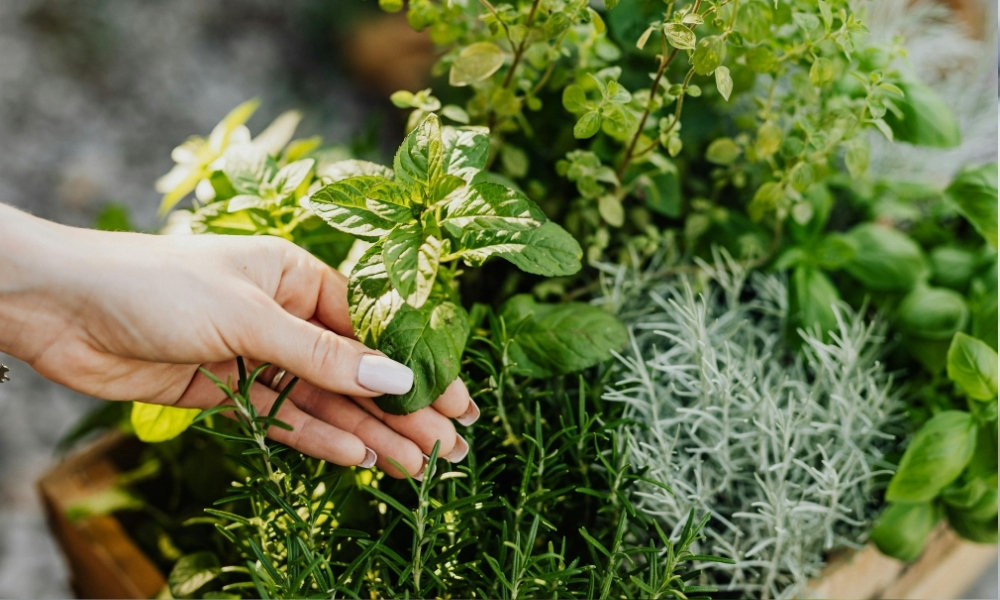
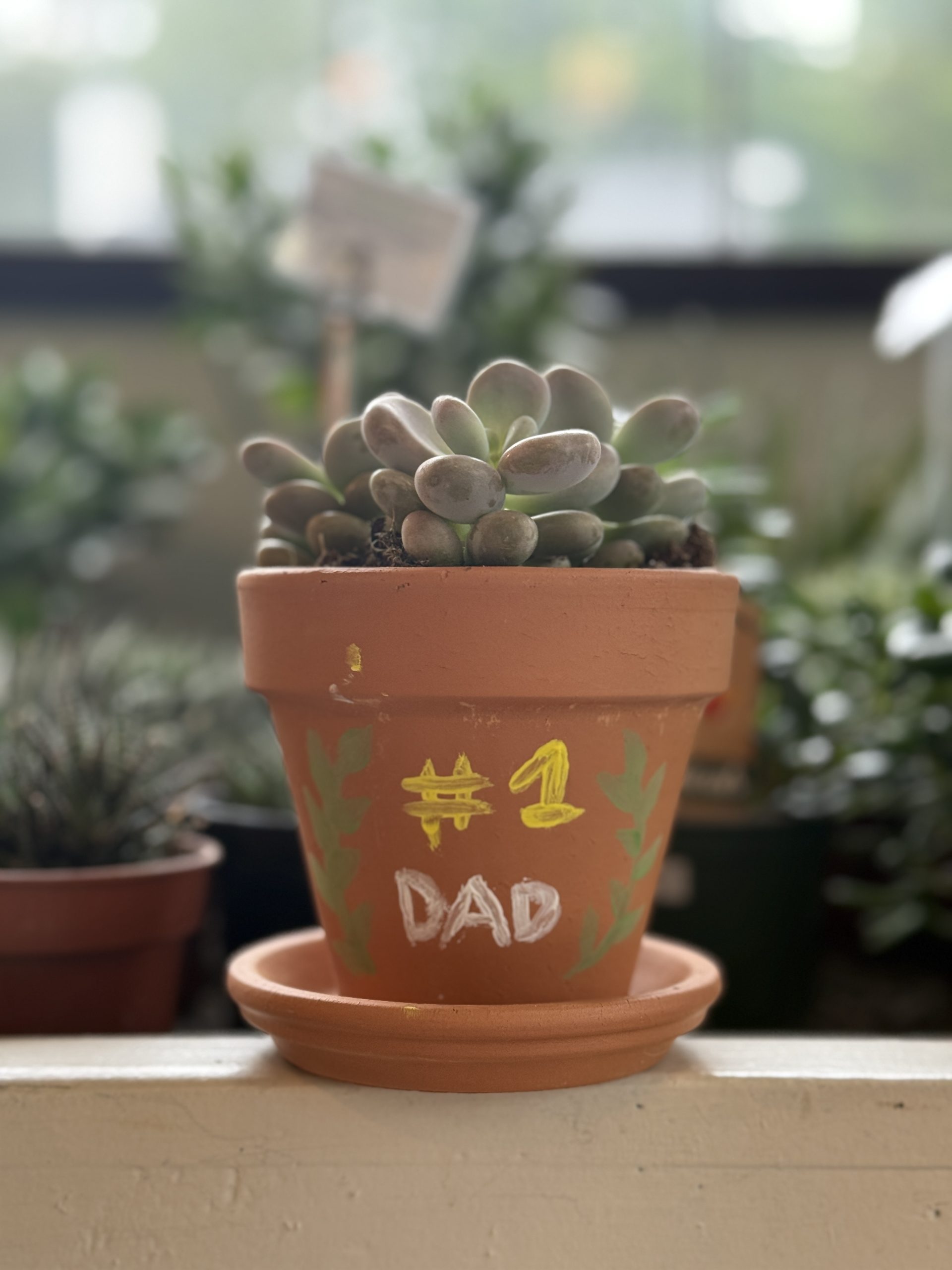
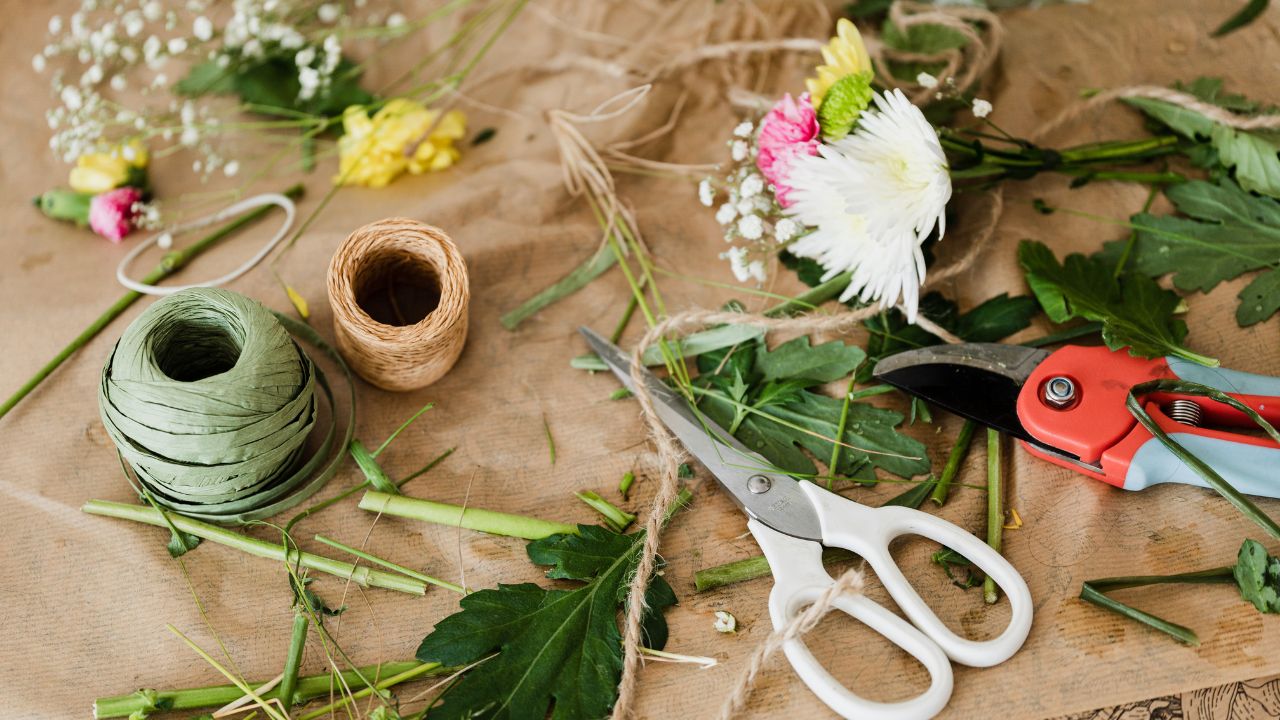
In this hands on workshop choose 4 varieties of herbs to plant in your own take home herb garden while enjoying 3 tastings of wine from Chapter Estates Winery
19+ Please drink responsibly, plan a safe ride home
Beautiful place to buy your garden stuff. The staff are amazing and lovely. They are very helpful and accommodating. We always buy here for our garden stuff and definitely highly recommended for everyone.
-Alex
Slide 2
Most amazing people to deal with. The lady and gentleman we dealt with went above and beyond to rectify a issue we had with 2 cedar trees bought by our landscaper. I highly recommend anyone looking to buy cedar trees and other plants to go in and check this nursery out. Everything in the store is so beautiful and the staff is truly amazing. Thank you for helping us out. We really appreciate you and your store -Cheryl
Slide 3
Enter my saviors: Parker, Kate, and Connor. They initiated what I can only describe as a “botanical intervention.” They gently, and with great humor, steered me away from my list of doomed plants and suggested fantastic alternatives that would actually enjoy living here. We strategized like generals, laughed at my original, very sad plan, and came up with a brilliant new one that hit the look and the budget perfectly. These three are absolute rock stars! -Parm
Slide
Just wanted to say “thank-you” for your awesome Fall displays. We had a blast for our “first” pumpkin patch experience with our little girl. We’ll definitely be back every Fall (Winter and Spring too after talking to some of your sales reps!). We’re also spreading the word of your fantastic nursery! Thanks so much!
-Nicole, Jason and Brynn
Slide
Quality product, lots to choose from, prices are fair, for quality that they have!
Came all the way from Vernon BC. Well worth the drive. Also, nice place just to walk around and look! But you always leave with something!
-Trudi
Slide
We absolutely loved the pumpkin patch for our family outing! The staff were all so friendly and have organized an amazing family friendly space to enjoy. We so appreciate how there was no entry fee as family events can often be expensive nowadays. They literally thought of everything! The wagons, inside and outside activities and pumpkin washing station were perfect. We will definitely be back!
-Janelle
Meet the Owners:
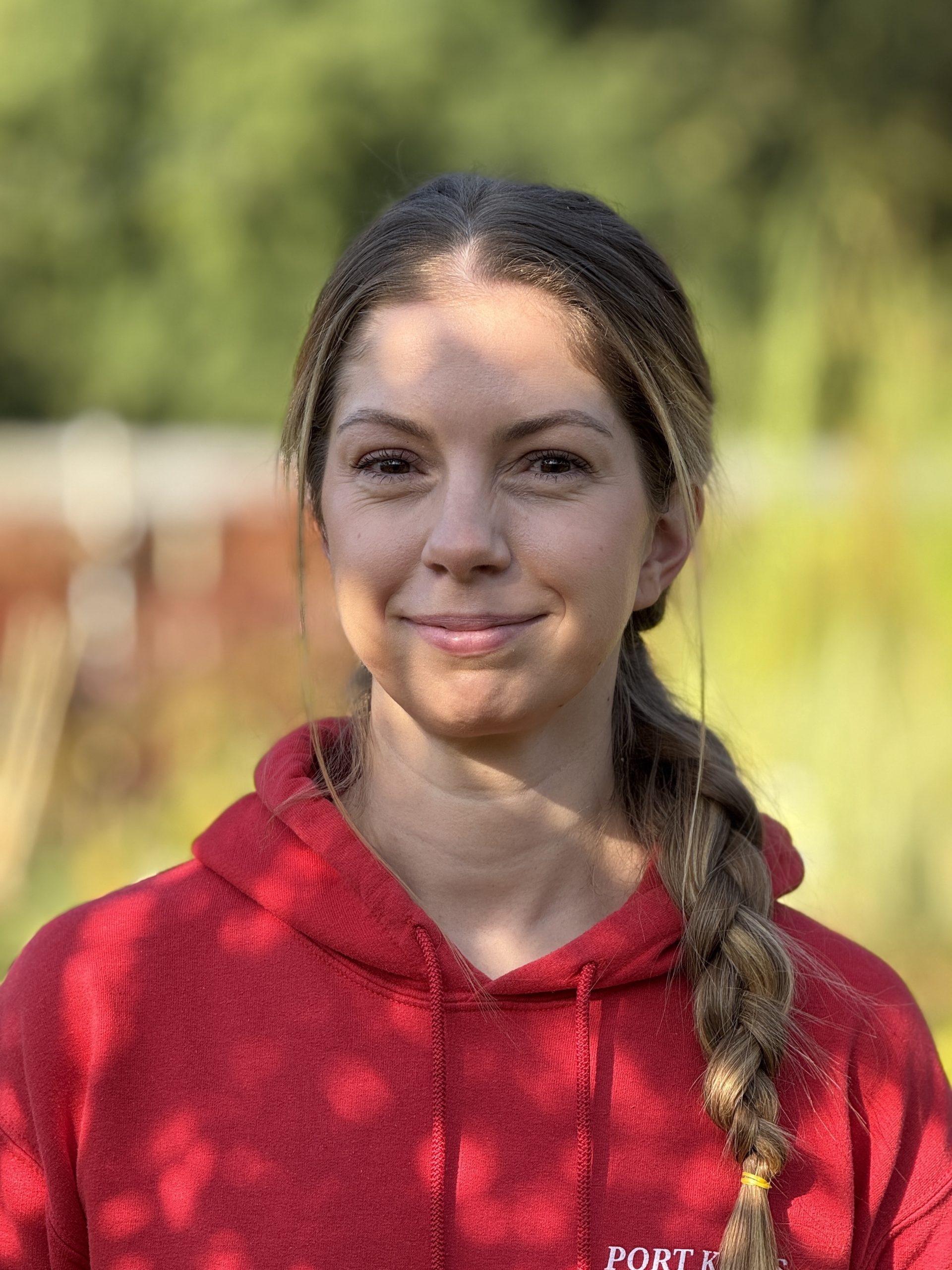
These fours siblings took over the family business in 2024. They have been learning the family trade since the time they could walk and talk.